
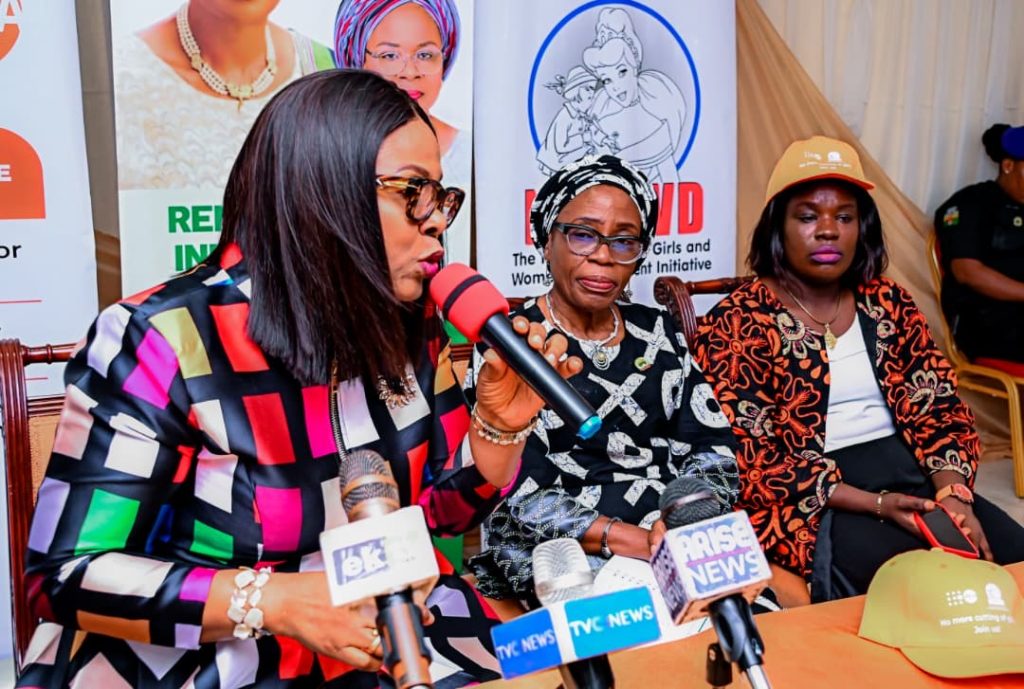
The wife of Ekiti State’s governor, Olayemi Oyebanji, has called for the complete eradication of Female Genital Mutilation (FGM), describing the practice as unacceptable despite a recent drop in cases.
Speaking at a press conference in Ado-Ekiti to mark the International Day of Zero Tolerance for Female Genital Mutilation, Mrs Oyebanji urged political leaders, traditional rulers and religious organisations to take stronger action.
“We must feel a collective need so deep that it compels us to act differently. Our laws against FGM must move from paper to practice,” she said.
“Our cultural dialogue must move from tacit acceptance to courageous condemnation. Our pulpits and palaces must echo with a unified message of protection.”
Mrs Oyebanji, who chairs the Ekiti State Action Committee on Gender-Based Violence, said this year’s theme – “2030: No End to Female Genital Mutilation Without Sustained Commitment and Investment” – highlights the need for continued advocacy, enforcement of laws and adequate funding.
She pledged that the Gender Unit in her office would strengthen monitoring and enforcement to ensure justice for survivors and accountability for offenders.
- HIGHLIGHTS OF DECISIONS TAKEN AT THE SEVENTH MEETING (2026) OF THE EKITI STATE EXECUTIVE COUNCIL HELD AT THE EXECUTIVE COUNCIL CHAMBER, NEW GOVERNOR’S OFFICE, ADO-EKITI, ON TUESDAY, 22ND SEPTEMBER, 2026
- Ekiti Reactivates MSME Council, Targets Stronger Business Support
- Ekiti SUBEB Flags Off 2026 Enrolment Drive, Urges Parents To Enrol Children
- Ekiti Guber Tribunal Slams SDP Over Lack of Diligent Prosecution of Case
- Ongoing Ekiti Assembly Stewardship Programme Reflects Oyebanji’s Commitment to Transparency — Information Commissioner
Meanwhile, a representative of the United Nations Population Fund (UNFPA), Abimbola Salako-Aladejare, said recent data showed that the prevalence of FGM in Ekiti had dropped from 72% in 2024 to 48%.
She attributed the decline to sustained advocacy and the involvement of traditional rulers, community leaders and religious figures, particularly in rural areas.
“We realised that to change mindsets, we must engage those who hold cultural and spiritual influence in the communities,” she said.
However, she warned that underreporting of cases remained a major obstacle to prosecuting offenders and fully addressing the problem.
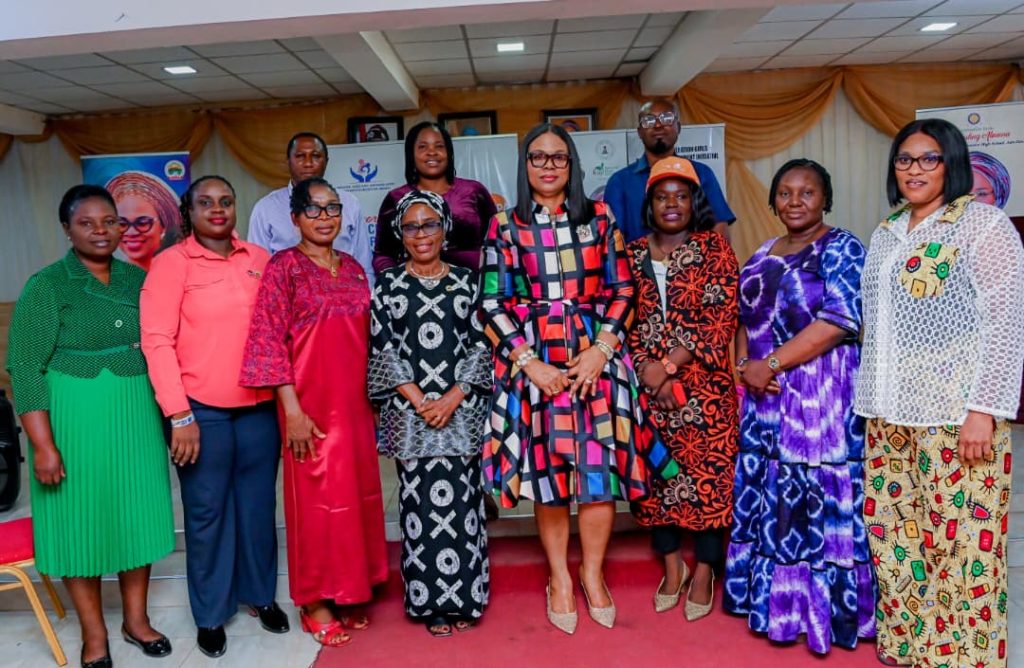
The event was attended by the state’s Commissioner for Women Affairs, Peju Babafemi, as well as civil society groups and gender advocates.
Campaigners say the renewed push in Ekiti is part of broader national and international efforts to eliminate FGM by 2030.