
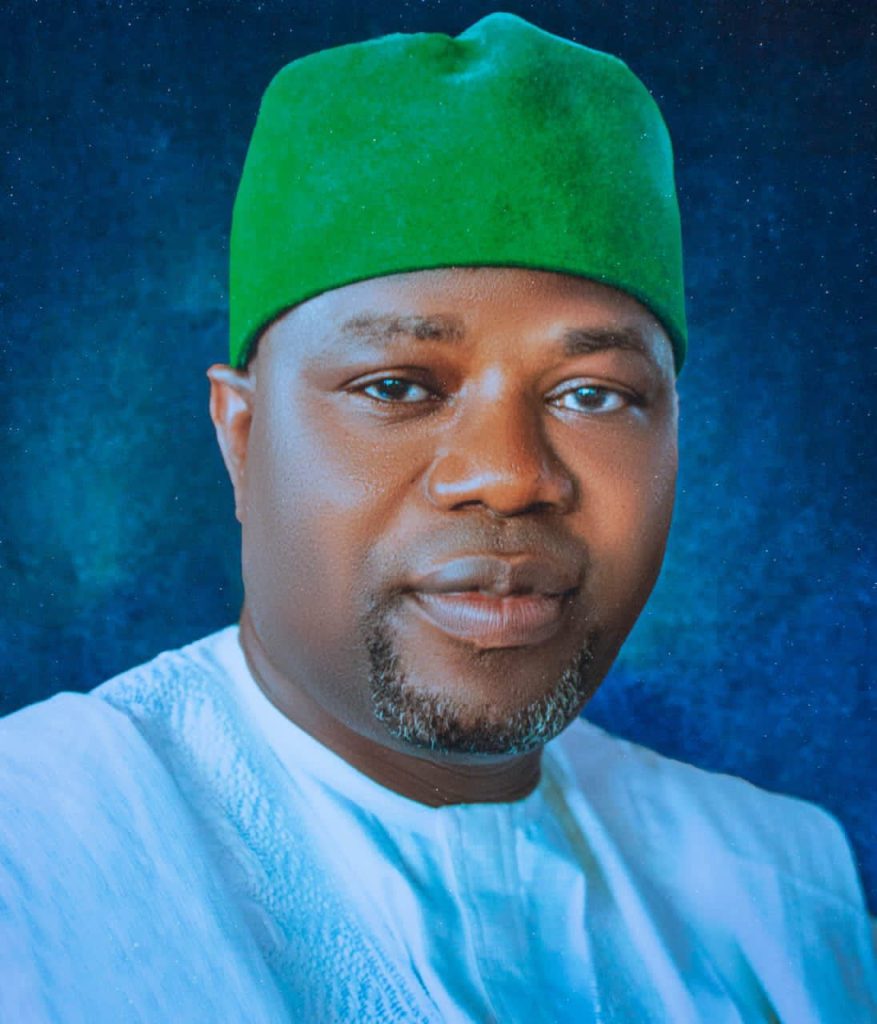
By Rt. Hon. Taiwo Olatunbosun, Honourable Commissioner for Information, Ekiti State
The 2026 Budget of Ekiti State is more than a financial document. It is a strategic blueprint for sustainable growth, inclusive development, and measurable impact in the lives of our people. With a total size of ₦415.57 billion, an 11 per cent increase over the 2025 fiscal year, this “Budget of Sustainable Governance” reflects Governor Biodun Oyebanji administration’s commitment to completing ongoing projects, strengthening institutions, and expanding opportunities for every Ekiti citizen.
At a time when misinformation can easily cloud public understanding, it is important to clearly outline what this budget truly represents: a people-focused roadmap designed to improve living standards, create jobs, and build a resilient economy.
Balancing Responsibility with Development- The 2026 budget carefully balances recurrent and capital expenditures to ensure both efficient governance and visible development. Approximately 53 per cent is allocated to recurrent spending to maintain essential public services, including salaries, healthcare delivery, school operations, and administrative support.
Significantly, about 46 per cent is dedicated to capital expenditure, investments that build roads, upgrade infrastructure, stimulate industries, and strengthen the foundations of long-term economic growth. This capital commitment underscores Governor Oyebanji’s resolve to prioritize development projects that citizens can see and feel in their daily lives.
Infrastructure: Building the Backbone of Economic Growth, Nearly 57 per cent of capital spending is directed toward infrastructure and industrial development. Across the state, road construction and rehabilitation projects will improve connectivity between rural and urban communities, making it easier for farmers to transport produce, traders to access markets, and workers to commute safely.
The planned procurement of transformers and upgrades to power infrastructure will strengthen electricity distribution, supporting businesses and households. Continued work on strategic projects such as ring roads, terminals, airport development, and township road rehabilitation is designed to unlock commerce, attract investment, and improve regional integration.
For our youths and skilled artisans, these projects translate directly into employment opportunities in construction, engineering, logistics, and allied sectors. For families and business owners, they mean easier travel, lower transport costs, and expanded economic possibilities.
Agriculture and Food Security: Empowering Rural Prosperity – Agriculture remains central to the livelihood of many Ekiti households. The ₦12 billion allocation to agriculture and rural development demonstrates our firm commitment to food security, income generation, and rural empowerment.
By investing in agricultural productivity and value chains, the government aims to stabilize food prices, enhance local food availability, and create sustainable income streams for farming communities. When farmers thrive, rural economies grow, and the entire state benefits from improved food supply and economic stability.
Human Capital Development: Investing in People – No society can progress without strong human capital. The 2026 budget sustains investment in healthcare systems and primary care services, building on previous gains in health worker deployment, insurance coverage, and service delivery. Strengthening primary healthcare ensures that families, especially in rural areas, can access essential medical services without undue financial burden.
In education, infrastructure improvements and program investments will enhance learning environments across schools in Ekiti State. Better facilities, improved resources, and supportive programs create stronger foundations for our children and youth, the leaders of tomorrow.
Economic Growth and Employment – The administration projects a ₦8.8 trillion Gross Domestic Product for Ekiti State in 2026, driven by coordinated investments across key sectors. By supporting small businesses, agriculture value chains, and infrastructure expansion, the government is positioning the state for broader economic participation.
This growth strategy is not abstract. It is designed to translate into real outcomes: reduced unemployment, stronger local enterprises, and improved household incomes.
Shared Prosperity and Social Protection – A central pillar of the 2026 budget is shared prosperity. Targeted social interventions and safety nets will support vulnerable groups, ensuring that development remains inclusive. Economic progress must lift all segments of society — not just a few.
Through responsible funding sources, including federal allocation, VAT, internally generated revenue, donor grants, and minimal borrowing, the state aims to maintain fiscal sustainability while delivering impactful programs.
Transparency, Accountability, and Delivery – We acknowledge that a budget’s value lies not only in its design but in its implementation. The administration remains committed to transparency, prudent fiscal management, and timely project execution. Citizens will continue to see evidence of delivery on the ground as projects move from planning to completion.
Policy Ownership: A Collective Responsibility – The 2026 Budget belongs to the people of Ekiti State. Its success depends not only on government action but also on public understanding, civic participation, and shared commitment. When citizens are well-informed, they can actively monitor projects, engage constructively, and take ownership of the development process.
This budget represents continuity, consolidation, and strategic expansion. It strengthens infrastructure, empowers farmers, supports businesses, improves healthcare and education, and protects the vulnerable.
In practical terms, it means better roads, stronger power supply, improved schools and hospitals, greater food security, more jobs, and broader opportunities for Ekiti families.
The 2026 Budget of Sustainable Governance is our collective pathway to a more prosperous, resilient, and inclusive Ekiti. Together, we will ensure that its promises are not merely written in figures, but reflected in tangible improvements in the daily lives of our people.
Strengthening Collective Responsibility and Public Ownership – As we implement the 2026 Budget of Sustainable Governance, it is important to emphasize that development is a shared responsibility. Government provides leadership, direction, and resources, but sustainable progress requires the active cooperation of all stakeholders, community leaders, traditional institutions, civil servants, private sector partners, civil society organizations, youth groups, and indeed every citizen of Ekiti State.
The Budget belongs to the people of Ekiti State. Its success depends on shared ownership and civic responsibility. Public assets such as roads, schools, hospitals, water facilities, and power infrastructure, must not only be well-maintained but also protected from vandalism, misuse, and neglect. Community vigilance and civic responsibility will ensure that these investments deliver long-term value.
Stakeholders are also encouraged to engage constructively by monitoring project implementation, offering feedback through appropriate channels, and supporting policies that promote economic growth and social stability. Constructive participation strengthens transparency and enhances accountability.
All stakeholders must understand that sustainable governance requires unity of purpose, not misinformation or division which is why I therefore call on opinion leaders, the media, and community influencers to promote accurate information and encourage responsible civic engagement. When citizens understand policies clearly, they are better positioned to contribute meaningfully to their success.
Ultimately, sustainable governance is not achieved by government alone. It is realized when citizens see public projects as their own collective investment and work together to maintain, protect, and maximize them for present and future generations.
Together, we will ensure that the promises of the 2026 Budget are not merely figures on paper, but tangible improvements in the daily lives of our people.