
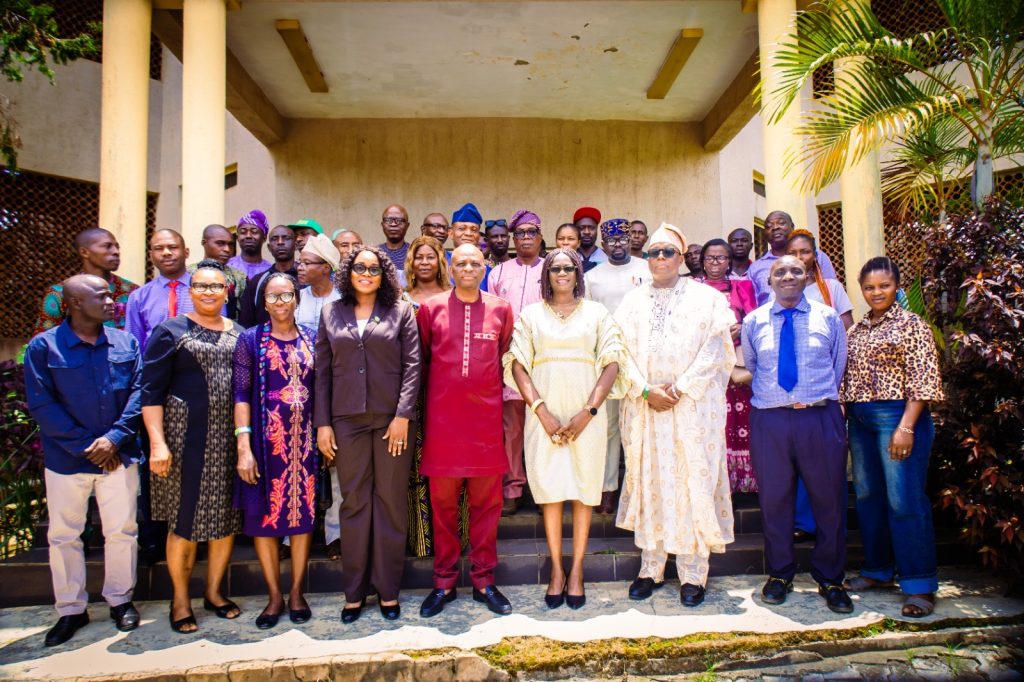
The Ekiti Government has reactivated the State Council on Micro, Small and Medium Enterprises (MSMEs) to strengthen the state’s MSME ecosystem, improve access to finance and markets and create sustainable employment opportunities.
The State Commissioner for Trade, Industries, Investment and Cooperatives and Chairman of the Council, Mrs Omotayo Adeola, stated this during the reactivation of the council in Ado-Ekiti.
Adeola described the development as an important milestone in the state’s efforts to promote economic growth, support entrepreneurship and create an enabling environment for businesses to thrive.
She said MSMEs remained critical to job creation and the economic wellbeing of families and communities, noting that they operated across sectors including agriculture, agro-processing, manufacturing, trading, transportation, technology, hospitality and the creative industries.
The commissioner, however, noted that many MSMEs continued to face challenges, including inadequate access to finance, poor infrastructure, high operating costs, limited access to modern technology, inadequate business skills, restricted market access and regulatory constraints.
She said the reactivated council would provide a platform for effective coordination, policy development, consultation and collaboration among government, the private sector, financial institutions, business associations, regulatory agencies and other stakeholders.
Adeola stressed that the exercise was not merely about inaugurating a council, but about establishing a functional institution capable of delivering measurable results.
She urged members to develop practical strategies to improve access to affordable finance, markets, technology and other support services for MSME operators.
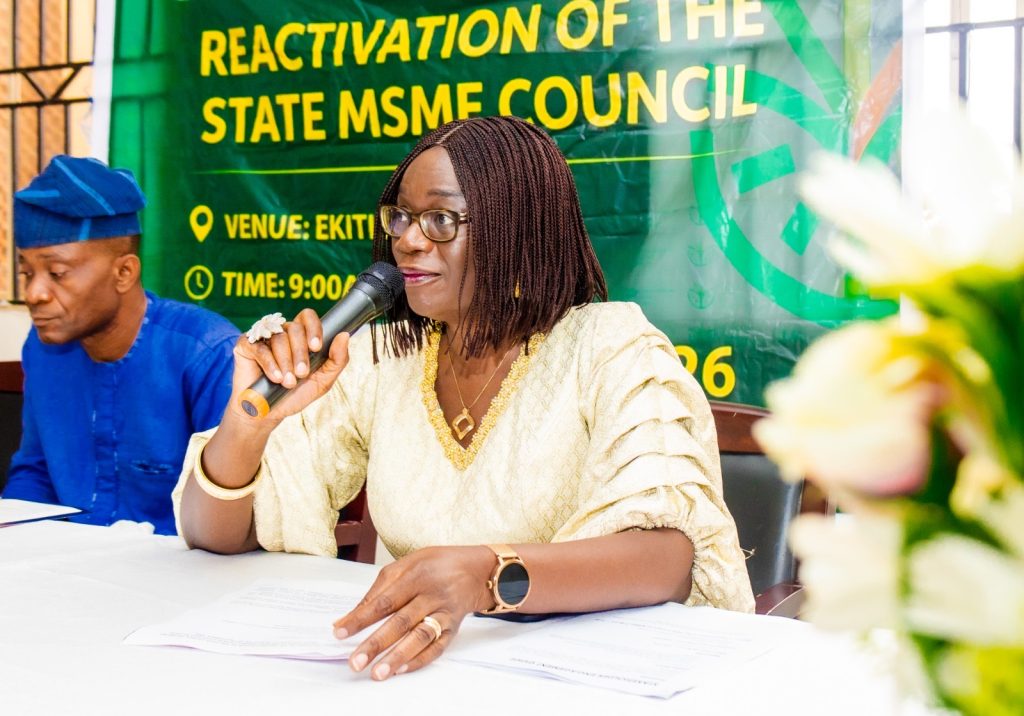
The commissioner highlighted some of the state government’s interventions, including the women’s loan initiative, which she said had benefited more than 1,000 women, as well as the BOSAK Credit Loan, which had attracted more than 3,000 beneficiaries and was open to both male and female MSME operators.
She expressed confidence that effective leadership, collaboration and commitment to implementation would enable the council to contribute significantly to economic development in the state.
Adeola also reiterated the administration’s commitment to promoting locally produced goods capable of competing favourably in national and international markets.
Earlier, the Vice Chairman of the council and Permanent Secretary in the ministry, Pharm. Bunmi Peter Ejimokun, disclosed that the State MSME Council was first inaugurated in 2013 but had remained inactive.
Ejimokun described its reactivation as a fresh beginning and urged stakeholders to work together to achieve the objectives for which the council was established.
He disclosed that the state government had an industrial estate in Ikere-Ekiti where interested investors could acquire land for industrial purposes at affordable rates, subject to meeting the required standards.
He encouraged prospective investors to approach the ministry for information and guidance on the process.
Speaking on regulatory requirements, the representative of the National Agency for Food and Drug Administration and Control (NAFDAC), Mrs Oluwatosin Aduyemi, said businesses involved in the production of food, packaged water, cosmetics and medical devices, among others, were required to comply with established regulations before their products could be approved.
- Ekiti Reactivates MSME Council, Targets Stronger Business Support
- Ekiti SUBEB Flags Off 2026 Enrolment Drive, Urges Parents To Enrol Children
- Ekiti Guber Tribunal Slams SDP Over Lack of Diligent Prosecution of Case
- Ongoing Ekiti Assembly Stewardship Programme Reflects Oyebanji’s Commitment to Transparency — Information Commissioner
- Ekiti Bureau of Special Projects Reaffirms Commitment to High-Impact Infrastructure
Aduyemi explained that prospective manufacturers must have suitable facilities, which would be inspected and certified by NAFDAC, while their production processes, equipment and personnel would also be assessed.
She added that product samples would undergo laboratory analysis as part of the approval process.
The representative of the Standards Organisation of Nigeria (SON), Mr Atoza Awar, stressed the importance of standards and conformity assessment in ensuring that products and production processes met established requirements.
Awar highlighted the Mandatory Conformity Assessment Programme (MANCAP), Product Identification (PI) and other conformity assessment schemes available to businesses.
He explained that the Product Identification scheme could assist MSMEs that were unable to initially meet all MANCAP requirements, describing it as a pathway for improving production processes towards full certification.
He added that SON also provided training in good hygiene practices, good manufacturing practices and quality management systems.
On business registration, the representative of the Corporate Affairs Commission (CAC), Mrs Omolola Agbona, described registration as a fundamental requirement for operating a business legally in Nigeria.
Agbona said the commission had simplified the process by making its services available online, urging business owners to comply with post-registration obligations, particularly the filing of annual returns.
She clarified that annual returns were different from tax obligations and served to indicate that a registered business remained active.
The representative of the Manufacturers Association of Nigeria (MAN), Mrs Blessing Omodara, identified access to funding, support for manufacturers and promotion of Made-in-Nigeria products as some of the benefits of belonging to the association.
She added that MAN provided opportunities for manufacturers to participate in exhibitions and trade fairs to improve product visibility and market access.
The stakeholders expressed readiness to collaborate with the reactivated council to create a more conducive business environment, strengthen regulatory compliance, promote local production and accelerate MSME growth in the state.
The meeting was attended by representatives of government agencies, business associations and other stakeholders, including the State Chairman of SMEDAN, Mr Abiodun Ayedun; Chairman, NASME, Mr Tosin Olotu; Centre Manager, Technology Incubation Centre, Mr Tola Esan; President, EKICCIMA, Mr Olayiwole Oderinde; Chairman, NACCIMA, Chief Afolabi Akosile; representative of Artisans, Mr Olaiya Oladele; representative of EKCPC, Mr Olakunle Ajanaku; and representative of the Hairdressers Association, Mrs Mary Ayodele, among others.